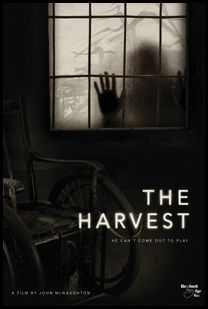
The Harvest Film (2013) Twist: Genius Narrative or Critical Screenplay Flaw?
In the landscape of modern horror, where jump scares often take precedence over psychological depth, John McNaughton's The Harvest Film (2013) emerged as a compelling, albeit divisive, entry. Directed by the visionary behind the infamous Henry: Portrait of a Serial Killer, and penned by Stephen Lancellotti, this American horror film promised a chilling narrative. Starring powerhouse talents like Samantha Morton and Michael Shannon, alongside Natasha Calis, Charlie Tahan, and veteran Peter Fonda, the movie quickly garnered attention for its atmospheric tension and stellar performances. Yet, for all its strengths, The Harvest Film 2013 remains most debated for one crucial element: its central twist. Was it a stroke of narrative genius that elevated the film into a unique, unsettling experience, or an "extravagant twist" that ultimately undermined its own logic and believability?
Unveiling The Harvest Film (2013): A Synopsis of Seclusion
At its core, The Harvest Film 2013 sets up a seemingly familiar, almost melodramatic premise. We are introduced to Andy (Charlie Tahan), a young boy confined to his bed, seemingly suffering from a grave illness. His world is strictly controlled by his overly protective mother, Katherine (Samantha Morton), a highly respected surgeon whose devotion borders on obsessive. Andy’s father, Richard (Michael Shannon), a former nurse, presents a softer, more conflicted figure, wishing for his son to experience a semblance of freedom, however small.
This secluded, suffocating existence is disrupted by Maryanne (Natasha Calis), a young girl who has recently moved to the isolated township after a personal tragedy, now living with her grandparents (Peter Fonda and Leslie Lyles). Maryanne's innocent exploration leads her to Andy's backyard, sparking an unlikely friendship. While Richard tentatively approves, Katherine is vehemently against it, constructing obstacle after obstacle to keep the children apart. The film initially lulls viewers into a false sense of security, presenting a scenario ripe with emotional tension, focusing on themes of childhood loneliness, overprotective parenting, and the yearning for connection. However, this façade is meticulously crafted to set the stage for a shocking revelation that completely redefines the film's genre and intent.
The Twist Unpacked: A Narrative Earthquake
The entire tenor of The Harvest Film 2013 shifts dramatically when Maryanne, driven by her burgeoning "Nancy Drew" instincts, stumbles upon a startling secret hidden in Katherine and Richard's basement. What begins as a poignant drama reminiscent of films like To Kill a Mockingbird or Man in the Moon, suddenly plunges into a realm that is "bleak, unsparing, and brutally unsentimental." The central twist, a horrifying shocker, reveals the true, sinister nature of Katherine and Richard's "care" for Andy. It's not just about a sick child; it's about their insidious intentions, turning the sanctity of family and medical care into a chilling narrative of exploitation and depravity. Without revealing every gruesome detail, the twist implicates the parents in a horrifying scheme that involves not just Andy, but potentially other children, kept in a state of controlled illness for a sinister purpose, turning their home into a macabre harvest ground.
This revelation isn't merely a plot point; it's a narrative earthquake that demands a re-evaluation of every scene that came before it. The subtle cues, Katherine's intense possessiveness, Richard's quiet desperation, and the children's vulnerability, all take on a new, terrifying meaning. It transforms the film from a domestic drama into a full-blown psychological horror, pushing boundaries and challenging audience expectations of what a film can achieve with a single, devastating reveal.
For more insights into the dark motives of the film's central figures, explore The Harvest 2013: Unraveling Michael Shannon and Samantha Morton's Horrifying Secrets.
Genius Narrative: The Argument for Ambition
Many critics and viewers champion the twist in The Harvest Film 2013 as a masterstroke of narrative design. Here's why:
- Elevated Horror: The twist successfully elevates the film beyond a simple, predictable melodrama. It transitions into a "character-rich chiller," reminiscent of classic Stephen King, a film that digs deep into the psychological underpinnings of evil. This isn't about cheap scares but about the horror of human depravity and the betrayal of trust.
- Emotional Gut-Punch: The reveal is genuinely "gut-wrenching." It forces the audience to confront a truly dark reality, making the film's conclusion resonate long after the credits roll. The initial empathy built for Andy and Maryanne makes the twist's impact even more profound.
- Artistic Intent: Director John McNaughton's deliberate cinematic choices—shooting on celluloid, opting for a full orchestral score, and casting "first-rate actors"—suggest a film striving for artistic merit beyond typical genre fare. The twist, in this context, can be seen as a bold artistic statement, a refusal to compromise on the film's dark vision, enhancing its "refreshingly timeless quality."
- Performance Amplification: The twist provides incredibly rich material for its lead actors. Samantha Morton and Michael Shannon, already delivering intense performances, are given the dramatic ammunition to explore truly monstrous dimensions of their characters, making their portrayals unforgettable.
The ambition behind the twist is undeniable. It's a risk that, for many, paid off, cementing The Harvest Film 2013 as a unique and unsettling entry in the horror genre that dared to be different.
Critical Flaw: The Screenplay's Stumbling Blocks
Conversely, a significant portion of the audience and critics found the twist to be a critical flaw that marred an otherwise promising film. The criticisms often focus on:
- Inconsistencies and Logic Gaps: Several reviews pointed to an "underwhelming screenplay that has a few too many inconsistencies." The "insistent need for extravagant twists undermines the logic of the narrative." For some, the elaborate nature of the secret stretches credulity, making it difficult to fully suspend disbelief.
- "Oddly Disjointed" Contrivances: The twist, while shocking, felt "oddly disjointed and annoying" to some. Instead of flowing organically from the narrative, it appeared as a forced contrivance designed purely for shock value, creating "climactic speedbumps that frustratingly keep me from doing so [loving the movie]."
- Undermining Believability: The sheer extremity of the twist, for some, pulled them out of the otherwise grounded and tense reality established by the film's first half. What began as a believable depiction of family dysfunction and childhood friendship transforms into something almost fantastical, challenging the film's sense of realism.
- Unnecessary Extravagance: Given the "intensity of the performances" by Morton, Shannon, and Calis, some argued that the film didn't need such an "extravagant" twist. The raw psychological tension and character dynamics alone could have carried the film to a powerful conclusion without resorting to a more convoluted and potentially unbelievable plot device.
The debate highlights a crucial tension: while a twist can be a powerful tool, if it compromises the internal logic or believability of a story, it risks alienating a portion of its audience, turning a potential masterpiece into a polarizing experience. For a deeper dive into the film's atmosphere and influences, read John McNaughton's The Harvest (2013): A Chiller with Stephen King Vibes.
Navigating the Narrative: Tips for Screenwriters and Filmmakers
The contentious reception of The Harvest Film 2013 offers valuable lessons for aspiring screenwriters and filmmakers grappling with the inclusion of twists in their narratives:
- Prioritize Internal Logic and Consistency: Even the most shocking twist must make sense within the established world of the story. Foreshadowing, even subtle, can make a twist feel earned rather than arbitrary. Ask: Does the twist, upon reflection, logically integrate with the characters' motivations and prior events?
- Twist for Theme, Not Just Shock: A truly great twist serves a thematic purpose. It should deepen the audience's understanding of the story's core messages or characters, rather than simply providing a momentary jolt. Does your twist enhance the overall meaning of your film?
- Trust Your Performers and Basic Premise: If you have a compelling premise and talented actors, sometimes less is more. Avoid overloading the narrative with unnecessary complications. Could your story be equally, if not more, impactful without an "extravagant" twist?
- Pacing and Integration are Key: A twist should ideally feel like an inevitable, albeit unexpected, culmination of the story's trajectory. Its reveal should be paced effectively, building tension and transforming the narrative rather than derailing it.
- Consider the Audience's Suspension of Disbelief: Know your genre and your audience. While horror often thrives on the unbelievable, there's a fine line between chilling fantasy and unintentional absurdity. Test the twist on early readers or viewers to gauge its impact and reception.
Conclusion
The Harvest Film 2013 stands as a fascinating case study in narrative ambition. John McNaughton's direction, coupled with outstanding performances from Samantha Morton and Michael Shannon, crafted an undeniably atmospheric and tense film. Its central twist, a dive into the brutally unsentimental, certainly left an indelible mark on viewers. For some, it was a bold, genius stroke that elevated the horror and psychological depth, making the film a truly unique experience. For others, it was an "extravagant" narrative choice that introduced inconsistencies and strained believability, ultimately detracting from the film's overall impact.
Ultimately, whether the twist is deemed a genius narrative or a critical flaw often comes down to individual taste and a viewer's tolerance for narrative risks. Regardless of where one stands on the debate, The Harvest Film 2013 serves as a powerful reminder of the delicate balance between shock and substance, and the enduring power of a story that dares to challenge conventional expectations.