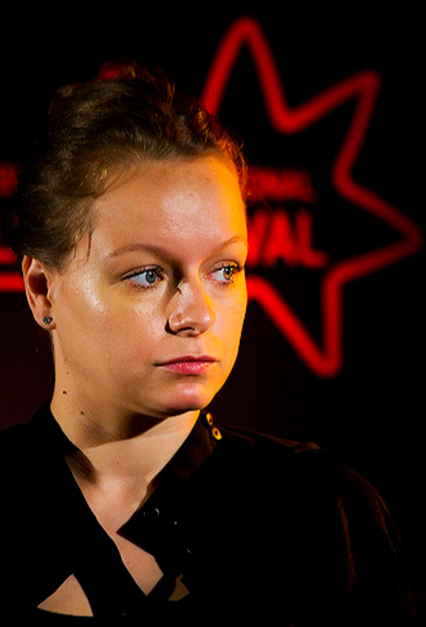
The Harvest Film 2013: Unraveling Michael Shannon and Samantha Morton's Horrifying Secrets
Step into a world where domestic tranquility masks a chilling reality, and the love of a parent morphs into a suffocating obsession.
The Harvest Film 2013, directed by the acclaimed John McNaughton (known for the disturbing cult classic *Henry: Portrait of a Serial Killer*), plunges audiences into a psychological horror where the most terrifying monsters are not supernatural entities but the very people meant to protect. This American horror gem, penned by Stephen Lancellotti, captivates with its star-studded cast, particularly the phenomenal Samantha Morton and Michael Shannon, who deliver performances so intensely unsettling they linger long after the credits roll.
At its core, *The Harvest* explores the dark underbelly of parental love, isolation, and the shocking secrets a seemingly ordinary family can harbor. It's a film that eschews cheap jump scares for a creeping sense of dread, building tension meticulously until its horrifying revelations. For those seeking a sophisticated, character-driven chiller that prioritizes psychological torment over gore, this 2013 release offers a compelling, if deeply disturbing, cinematic experience.
The Unsettling Premise: A Family's Dark Secret Unfolds
The narrative of
The Harvest Film 2013 slowly unfurls, drawing viewers into a deceptively tranquil rural setting where a profound unease quickly takes root. We are introduced to Andy (Charlie Tahan), a bedridden young boy suffering from a mysterious, debilitating illness. His world is confined to his home, meticulously controlled by his mother, Katherine (Samantha Morton), a highly respected surgeon whose every action is driven by an intense, almost pathological, need to protect her fragile son. Her overprotective nature borders on tyranny, enforcing strict rules and isolating Andy from the outside world entirely.
In stark contrast, Andy's father, Richard (Michael Shannon), a former nurse, presents a more empathetic and conflicted figure. While he loves his son deeply, he subtly chafes under Katherine's draconian regime, believing Andy deserves at least a semblance of normalcy and freedom. This fundamental disagreement creates a simmering tension within the family unit, hinting at deeper fissures beneath the surface of their controlled existence.
The fragile balance of their secluded lives is irrevocably shattered with the arrival of Maryanne (Natasha Calis), a spirited young girl who has just moved into the neighboring property with her grandparents (played by the legendary Peter Fonda and Leslie Lyles) after a personal tragedy. Lonely and adventurous, Maryanne stumbles upon Andy's backyard during one of her explorations. An unlikely friendship blossoms between the two children, providing Andy with a much-needed connection to the outside world and offering Maryanne a sense of purpose. While Richard cautiously embraces this new companionship for Andy, Katherine reacts with furious possessiveness, erecting numerous obstacles to keep the children apart. This escalating conflict not only heightens the psychological drama but also serves as the catalyst for Maryanne's unwitting journey into the horrifying secrets hidden within Andy's house. What begins as a familiar tale of forbidden friendship quickly morphs into something far more sinister, as Maryanne's innocent curiosity inadvertently pulls back the curtain on a truth more terrifying than any childhood nightmare.
Masterful Performances: Shannon and Morton at Their Haunting Best
One of the most undeniable strengths of
The Harvest Film 2013 lies in its stellar cast, with Samantha Morton and Michael Shannon delivering performances that elevate the film far beyond a typical horror offering. These are not merely good portrayals; they are deep, unsettling characterizations that anchor the film's pervasive dread.
Samantha Morton, as Katherine, is nothing short of mesmerizingly terrifying. Her portrayal of the overprotective mother is a masterclass in controlled intensity. Katherine’s love for Andy, twisted and pathological as it is, feels genuine, making her descent into monstrous acts all the more chilling. Morton imbues Katherine with a chilling fragility that masks an iron will, her eyes conveying a desperate, unhinged devotion that justifies her extreme measures in her own mind. She doesn't chew scenery; she commands it with a quiet, menacing authority, making every subtle shift in her expression a harbinger of dread. Her performance makes Katherine a villain who is both deeply sympathetic and utterly reprehensible, a complex psychological study that resonates profoundly.
Michael Shannon, as Richard, offers a nuanced counterpoint. Often cast in intense, volatile roles, Shannon here embodies a man caught in a moral quagmire, teetering between compliance and conscience. Richard is visibly tormented, a loving father struggling to reconcile his own desires for Andy's well-being with Katherine's absolute control. Shannon conveys Richard’s internal conflict through subtle gestures, haunted eyes, and a palpable sense of exhaustion. He's a man living under a shadow, his passive resistance a slow burn that ultimately contributes to the film’s agonizing tension. Together, Morton and Shannon create a dynamic that is both volatile and terrifyingly believable, their performances so intense that they often overshadow any minor script inconsistencies, driving the film's emotional and horrific core. Their ability to convey such profound, unsettling depth makes *The Harvest* a must-watch for fans of character-driven psychological thrillers.
Directorial Vision and Craftsmanship: John McNaughton's Return to Horror
With
The Harvest Film 2013, director John McNaughton makes a compelling return to the horror genre, bringing with him the same unflinching gaze and psychological acuity that defined his earlier, seminal work, *Henry: Portrait of a Serial Killer*. However, where *Henry* was gritty and stark, *The Harvest* adopts a more classic, almost timeless approach, weaving a tapestry of dread with deliberate care.
McNaughton's directorial choices significantly contribute to the film's unique atmosphere. One notable decision, praised by critics, was shooting on celluloid rather than digital. This choice immediately imparts a richer, more textural quality to the visuals, giving the film a refreshingly old-fashioned aesthetic that helps ground its unsettling narrative in a tangible reality. It lends an authenticity that digital often struggles to achieve, enhancing the feeling of a story unfolding in a slightly removed, yet very real, world. Coupled with a full orchestral score, these elements create an auditory and visual landscape that feels both classic and contemporary, allowing the horror to seep in through traditional cinematic craftsmanship rather than relying on modern horror tropes.
The film's atmosphere of seclusion, despite being filmed in New York (a state known for its bustling urban centers), is masterfully crafted. McNaughton utilizes the inherent quietude of rural settings, even within a populated state, to enhance the sense of isolation around Andy's home. The cinematography emphasizes enclosed spaces and expansive, yet empty, landscapes, visually reinforcing the characters' entrapment. McNaughton guides his first-rate actors through complex emotional landscapes, allowing their performances to breathe and build, rather than rushing through plot points. This patient, character-focused direction, combined with the film's deliberate pacing, creates an experience that Peter Debruge likened to "classic Stephen King (think Stand by Me)" – a testament to its character-rich chiller qualities and its ability to conjure suspense through atmosphere and human drama. For fans of nuanced, slow-burn horror, McNaughton's thoughtful direction makes *The Harvest* a standout.
The Controversial Twist: Narrative Genius or Flawed Execution?
Perhaps the most discussed and polarizing aspect of
The Harvest Film 2013 is its central narrative twist. The film masterfully lulls the audience into a false sense of security, establishing what appears to be a tidy, albeit melodramatic, scenario of a sick boy and his overprotective mother. However, as Maryanne, with her burgeoning "Nancy Drew" instincts, delves deeper, she uncovers a startling secret in Katherine and Richard's basement. This revelation instantaneously shifts the entire tenor of the film, transforming it from a domestic drama with psychological undertones into something far more bleak, unsparing, and brutally unsentimental.
For many viewers and critics, this central twist is a horrifying shocker that fundamentally redefines everything that came before it. Some, like the reviewer from MovieFreak.com, found the conclusion "gut-wrenching" and "wonderful," arguing that it propels the film into a realm of truly dark and unforgettable horror. It forces a re-evaluation of characters' motivations and actions, painting Katherine and Richard in an even more disturbing light and making the audience question the very nature of identity and morality. This kind of narrative ambition, when executed well, can be incredibly powerful, cementing the film's place as a unique entry in the genre. For a deeper dive into whether this twist hits the mark, you might want to explore
The Harvest Film (2013) Twist: Genius Narrative or Critical Screenplay Flaw?
However, the twist is not universally lauded. Nicholas Bell, among others, critiqued the screenplay's "underwhelming" nature, suggesting that the "insistent need for extravagant twists undermines the logic of the narrative" and detracts from the believability. For these critics, the twist, while shocking, introduces too many inconsistencies, making it feel contrived rather than organic. It's argued that the immense intensity of the performances from Morton and Shannon could have carried a simpler, more logically consistent narrative without the need for such an extreme turn. This critical division highlights the fine line between shocking revelation and narrative coherence.
Ultimately, whether the twist is a stroke of genius or a script flaw depends largely on individual viewer preference for narrative risk versus logical consistency. Regardless of opinion, it undeniably makes *The Harvest* a memorable and talked-about film, forcing audiences to grapple with its unsettling implications and stimulating discussions about the boundaries of horror storytelling. To understand more about McNaughton’s broader filmography and how this movie fits in, consider reading
John McNaughton's The Harvest (2013): A Chiller with Stephen King Vibes.
Conclusion
The Harvest Film 2013 stands as a potent and unsettling entry in the psychological horror genre, a testament to the power of character-driven storytelling and masterful performances. John McNaughton's deliberate direction, coupled with the raw intensity brought by Samantha Morton and Michael Shannon, crafts a narrative that is both disturbing and deeply thought-provoking. While its ambitious central twist might divide audiences, it undeniably sparks conversation and leaves a lasting impression, forcing viewers to confront the darkest corners of human nature and the horrifying secrets that can fester beneath the veneer of domesticity. For those seeking a horror film that challenges expectations, relies on genuine suspense, and features powerhouse acting, *The Harvest* offers a chilling, unforgettable experience that proves true terror often lies closer to home than we dare to imagine.