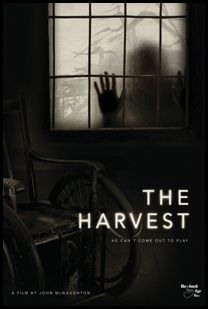
John McNaughton's The Harvest (2013): A Chiller with Stephen King Vibes
In the vast landscape of horror cinema, certain films emerge that defy easy categorization, blending classic sensibilities with a modern psychological edge. John McNaughton's The Harvest Film 2013 is precisely one such cinematic offering, a chilling psychological thriller that harkens back to the golden age of character-driven suspense. Directed by the acclaimed visionary behind the notorious Henry: Portrait of a Serial Killer, McNaughton delivers a narrative rich with unsettling atmosphere, stellar performances, and a slow-burn tension that has drawn comparisons to the master of macabre, Stephen King himself.
Released in 2013, this American horror film from Elephant Eye Films, penned by Stephen Lancellotti, takes a seemingly simple premise and peels back layers of suburban dread. It tells the story of a secluded couple, Katherine and Richard, who meticulously guard their severely ill son, Andy, from the outside world. Their tightly controlled existence, however, is irrevocably disrupted by the arrival of a curious young girl named Maryanne, who moves in next door. What begins as a tale of forbidden friendship quickly morphs into a horrifying descent into secrets, manipulation, and the devastating consequences of desperate love.
The Unsettling Premise: Seclusion, Friendship, and Forbidden Curiosity
At the heart of The Harvest Film 2013 lies a potent and deeply unsettling premise: the isolation of a vulnerable child and the sinister motives that may underpin such protection. Andy (Charlie Tahan) is a bedridden youngster, kept confined by his overprotective mother, Katherine (Samantha Morton), a highly respected surgeon. Her every action is dictated by his fragile health, leading to a suffocating environment where even a breath of fresh air seems a dangerous indulgence. His father, Richard (Michael Shannon), a former nurse, offers a softer counterpoint, subtly pushing for a modicum of freedom for his son, sensing the crushing weight of Katherine's control.
Enter Maryanne (Natasha Calis), a lonely newcomer to the quiet, secluded township. Having recently experienced her own tragedy and now living with her grandparents (played by the legendary Peter Fonda and Leslie Lyles), Maryanne stumbles upon Andy's backyard during one of her exploratory forays into the woods. An unlikely friendship blossoms between the two children, a beacon of light in Andy's cloistered world. While Richard quietly encourages this connection, Katherine views Maryanne's presence as an invasive threat to her carefully constructed reality, erecting increasingly bizarre obstacles to keep the children apart. This initial setup, ripe with melodrama and a sense of classic Americana reminiscent of Robert Mulligan's works like To Kill a Mockingbird, artfully lulls the audience into a false sense of security, preparing them for a gut-wrenching turn.
A Masterclass in Atmosphere: John McNaughton's Timeless Vision
John McNaughton's directorial choices for The Harvest Film 2013 are a significant reason for its distinctive, timeless quality. In an era dominated by digital filmmaking, McNaughton made the deliberate decision to shoot on celluloid, imbuing the film with a rich, textural aesthetic that instantly sets it apart. This old-fashioned approach, combined with a full orchestral score, lends the movie an almost classical horror feel, echoing the psychological thrillers of decades past rather than contemporary jump-scare fests.
The director, known for his ability to craft deeply disturbing narratives with psychological depth, uses the quaint, isolated New York filming locations to his advantage. The seemingly idyllic, rural setting provides a stark contrast to the dark secrets festering within the house, amplifying the sense of unease. McNaughton doesn't rely on cheap scares; instead, he meticulously builds a pervasive atmosphere of dread, allowing the audience to feel the suffocating control and the impending sense of discovery. It's this commitment to mood and character over gratuitous shock that truly earns the film its "Stephen King vibes" – a focus on the slow erosion of innocence and the horrifying truths lurking beneath a polished surface, much like King's early works such as Stand By Me (which, ironically, also deals with childhood discovery and tragic events).
The Powerhouse Performances That Define The Harvest (2013)
While the screenplay by Stephen Lancellotti provides the narrative framework, it is the extraordinary ensemble cast that elevates The Harvest Film 2013 into a compelling viewing experience. McNaughton's insistence on working with "first-rate actors instead of expendable nobodies" pays dividends, with Samantha Morton and Michael Shannon delivering particularly mesmerizing performances.
- Samantha Morton as Katherine: Morton is utterly chilling as the fiercely protective, psychologically complex mother. Her portrayal is a masterclass in controlled intensity, showcasing a woman whose love for her son is so extreme it borders on monstrous. She embodies the film's central conflict, making Katherine both terrifying and, in a twisted way, pitiable. Her every glance and word convey a deep-seated pathology that keeps the audience on edge.
- Michael Shannon as Richard: Shannon, always a compelling screen presence, perfectly embodies the conflicted father. His quiet despair and subtle attempts to mitigate Katherine's draconian rules create a poignant counterpoint. Richard is caught between loyalty and conscience, and Shannon conveys this internal struggle with remarkable nuance, often through subtle gestures and pained expressions. His performance is a crucial anchor, grounding the more extreme elements of the plot.
- Natasha Calis as Maryanne: As the inquisitive young girl, Calis carries much of the film's emotional weight and narrative drive. She's the audience's surrogate, gradually uncovering the horrifying truths hidden within the house. Her innocence and determination are key to unlocking the story's secrets, and she delivers a performance that is both vulnerable and surprisingly resilient.
- Charlie Tahan as Andy: Tahan, as the bedridden Andy, evokes immense sympathy. His confined existence and longing for normalcy are palpable, making his eventual revelations even more impactful.
Together, these actors create a dynamic that is both captivating and deeply disturbing, ensuring that even when the plot takes its most audacious turns, the human element remains powerfully resonant. For a deeper dive into the masterful yet terrifying portrayal by its leads, explore The Harvest 2013: Unraveling Michael Shannon and Samantha Morton's Horrifying Secrets.
The Double-Edged Sword: Script Twists and Critical Reception
The Harvest Film 2013 has, like many ambitious thrillers, garnered a mixed critical reception, largely due to its narrative structure and particularly its central twist. Critics like Peter Debruge lauded it as an "eccentric, character-rich chiller" with a "refreshingly timeless quality," praising McNaughton's classical approach and the caliber of the acting. This perspective highlights the film's success in creating a palpable atmosphere and delivering strong performances that elevate the material.
However, another school of thought, exemplified by Nicholas Bell, points to an "underwhelming screenplay" with "too many inconsistencies" that ultimately undermine the tension and believability. Bell and others found that the "insistent need for extravagant twists" overshadowed the narrative logic, creating "oddly disjointed and annoying script contrivances." What starts as a psychological drama delving into a world reminiscent of quiet, profound films, suddenly shifts into something "bleak, unsparing, and brutally unsentimental" with a "horrifying shocker" that some found difficult to reconcile with the preceding build-up.
The film's climactic speedbumps are a frequent point of contention. While some viewers found the ultimate conclusion "wonderful" and "gut-wrenching," others felt the audacious nature of the twist strained credibility, creating moments that were impossible to overlook. It's a classic case where a bold narrative choice elicits strong, divided opinions. The debate surrounding these narrative choices is a critical discussion point, with many asking if the central reveal is a stroke of The Harvest Film (2013) Twist: Genius Narrative or Critical Screenplay Flaw? This division underscores the film's ambitious nature, daring to push boundaries even at the risk of alienating some viewers.
Conclusion: A Haunting Legacy of Psychological Horror
The Harvest Film 2013 stands as a compelling and often unsettling piece of psychological horror. John McNaughton's deliberate craftsmanship—from the decision to shoot on celluloid to his reliance on an orchestral score and exceptional actors—forges a film with a refreshingly timeless quality. It's a movie that doesn't scream its scares but whispers them, slowly drawing the audience into a web of deceit and desperation. While its screenplay may be a point of contention for some, the powerful performances by Samantha Morton and Michael Shannon, combined with McNaughton's masterful creation of atmosphere, ensure its place as a memorable entry in the genre.
For those who appreciate character-driven chillers, slow-burn tension, and narratives that challenge expectations, The Harvest offers a unique and haunting experience. It’s a film that resonates long after the credits roll, prompting reflection on themes of protection, control, and the terrifying lengths to which individuals will go for what they believe is love. Its "Stephen King vibes" are well-earned, presenting a dark, disturbing vision of the American family unit unraveling under the weight of unspeakable secrets.